- Practical solutions and spinmama for effective postpartum recovery
- Understanding Postpartum Physical Recovery
- Pelvic Floor Rehabilitation
- Nourishing Your Body Postpartum
- Meal Planning for the New Mom
- Emotional Wellbeing and Mental Health
- Building a Support Network
- Navigating Sleep Deprivation
- The Importance of Gentle Movement
- Beyond the Basics: Individualized Postpartum Care
Practical solutions and spinmama for effective postpartum recovery
The postpartum period is a transformative, yet often challenging, time for new mothers. It’s a period of significant physical and emotional adjustment, requiring dedicated care and support. Finding effective strategies for recovery is paramount, and many women are turning to holistic approaches that address not just the physical aspects, but also the mental and emotional wellbeing. Within this landscape, resources like those offered by spinmama are gaining recognition for their comprehensive guidance and support networks aimed at empowering women through this pivotal phase of life.
Navigating the initial weeks and months after childbirth requires a well-rounded plan that encompasses physical healing, emotional stabilization, and practical support. This isn't simply about “bouncing back” to a pre-pregnancy state; it's about evolving into a new version of oneself, stronger and more resilient. The support system a mother has around her, the information available, and the tools she utilizes all play a crucial role in the success and enjoyment of this period. Ignoring these critical facets can contribute to the well-documented struggles many women face postpartum, including physical complications and emotional distress.
Understanding Postpartum Physical Recovery
The immediate aftermath of childbirth brings a cascade of physical changes. The uterus needs to contract back to its pre-pregnancy size, hormonal shifts are dramatic, and the body has endured the significant strain of pregnancy and delivery. Prioritizing rest is fundamental, but often overshadowed by the demands of a new baby and the expectations of daily life. Adequate sleep, even in short bursts, is essential for tissue repair and hormonal regulation. Nutrition also plays a massive role; a diet rich in protein, iron, and essential vitamins is vital to replenish nutrient stores depleted during pregnancy and lactation. Many new mothers benefit from gentle exercise, starting with simple walks and gradually increasing intensity as their bodies allow. However, it’s critical to listen to your body and avoid pushing yourself too soon, potentially delaying healing or causing injury. It’s better to start slowly and consistently than to overdo it and risk setbacks.
Pelvic Floor Rehabilitation
A frequently overlooked, yet critically important aspect of postpartum recovery is pelvic floor rehabilitation. The pelvic floor muscles, stretched and weakened during pregnancy and childbirth, support the bladder, uterus, and rectum. Weakness in these muscles can lead to urinary incontinence, pelvic organ prolapse, and sexual dysfunction. Kegel exercises, performed correctly and consistently, can help strengthen these muscles. However, it’s important to note that Kegels aren’t a one-size-fits-all solution. Many women benefit from working with a pelvic floor physical therapist who can assess their individual needs and develop a personalized rehabilitation plan. This often involves internal assessment and specialized exercises tailored to address specific muscle imbalances.
| Recovery Stage | Focus Area |
|---|---|
| Immediate Postpartum (0-6 weeks) | Rest, pain management, wound healing (if applicable), establishing breastfeeding |
| Early Recovery (6-12 weeks) | Gradual increase in activity, pelvic floor exercises, nutritional support, emotional wellbeing check-ins |
| Long-Term Recovery (3-6 months+) | Continued strengthening and conditioning, addressing any ongoing physical concerns, prioritizing self-care |
Managing pain, whether from an episiotomy, perineal tearing, or a Cesarean section, is also a key component of physical recovery. Pain can interfere with bonding, breastfeeding, and daily activities. Open communication with your healthcare provider about pain levels and appropriate pain management strategies is essential. Non-pharmacological approaches, such as sitz baths, ice packs, and gentle massage, can also provide relief.
Nourishing Your Body Postpartum
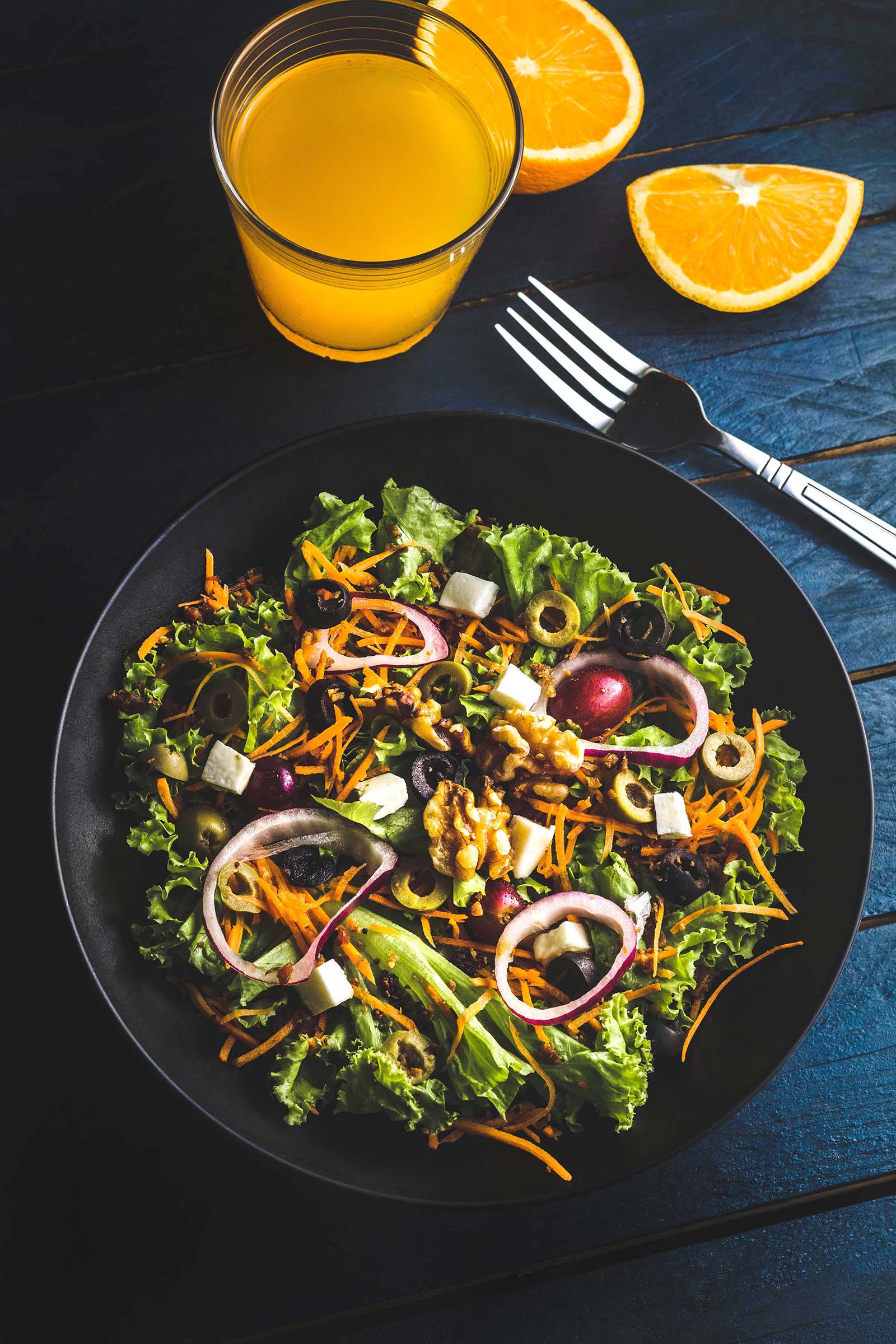
Postpartum nutrition isn’t about dieting; it’s about fueling your body with the nutrients it needs to recover and support lactation (if breastfeeding). Increased calorie needs during lactation require a focus on nutrient-dense foods. Protein is essential for tissue repair, while iron helps replenish iron stores lost during childbirth. Calcium and vitamin D are vital for bone health, and omega-3 fatty acids support brain health for both mother and baby. Hydration is also crucial, as breastfeeding can significantly increase fluid needs. Prioritizing whole, unprocessed foods, such as fruits, vegetables, lean proteins, and whole grains, is the foundation of a healthy postpartum diet. Supplementation may be necessary to address specific nutrient deficiencies, but it’s always best to consult with a healthcare provider or registered dietitian before starting any new supplements.
Meal Planning for the New Mom
Successfully implementing a healthy postpartum diet often requires a proactive approach to meal planning. New mothers are often short on time and energy, making it difficult to prepare nutritious meals from scratch. Batch cooking, preparing meals in advance and freezing them, can be a lifesaver. Accepting help from friends and family with meal preparation is also a valuable strategy. Simple, nutrient-rich meals like oatmeal with fruit and nuts, smoothies, and sheet pan dinners can be quick and easy to prepare. Snacking throughout the day can also help maintain energy levels and prevent blood sugar crashes. Keeping healthy snacks readily available, such as yogurt, fruit, and nuts, can make it easier to nourish yourself throughout the day.
- Prioritize protein with every meal and snack.
- Stay well-hydrated by drinking plenty of water throughout the day.
- Focus on whole, unprocessed foods.
- Consider meal prepping to save time and energy.
- Don’t be afraid to ask for help with meal preparation.
Remember that postpartum nutrition is a long-term investment in your health and wellbeing. By prioritizing nutritious foods, you’re not only supporting your own recovery but also providing your baby with the essential nutrients they need to thrive. Programs like those offered through resources such as spinmama can provide guidance and support in developing a personalized nutrition plan that meets your specific needs.
Emotional Wellbeing and Mental Health
The postpartum period can be emotionally challenging. Hormonal fluctuations, sleep deprivation, and the responsibility of caring for a newborn can contribute to feelings of sadness, anxiety, and overwhelm. It’s important to recognize that these feelings are normal, but it’s also crucial to seek help if they become persistent or debilitating. Postpartum mood disorders, such as postpartum blues, postpartum anxiety, and postpartum depression, are common and treatable. Don’t hesitate to reach out to your healthcare provider, a therapist, or a support group if you’re struggling. Prioritizing self-care is also essential. This includes making time for activities you enjoy, connecting with loved ones, and practicing relaxation techniques such as deep breathing or meditation. Remember that taking care of yourself is not selfish; it’s necessary for being the best parent you can be.
Building a Support Network
Having a strong support network is invaluable during the postpartum period. This network can include your partner, family members, friends, and other new mothers. Don't be afraid to ask for help, whether it's with childcare, household chores, or simply emotional support. Joining a new parent group can provide a sense of community and allow you to connect with others who are going through similar experiences. Online forums and social media groups can also be a source of support and information. Sharing your experiences and receiving encouragement from others can make a significant difference in your emotional wellbeing. A resource like spinmama provides avenues for connection and community support, recognizing the vital role social connection plays in postpartum wellness.
Navigating Sleep Deprivation
Sleep deprivation is almost unavoidable in the first few months after childbirth. Newborns require frequent feedings, which often disrupt sleep patterns. While it’s impossible to eliminate sleep deprivation entirely, there are strategies to minimize its impact. “Sleep when the baby sleeps” is a common piece of advice, but it's not always practical. However, prioritizing rest whenever possible is crucial. Sharing nighttime duties with your partner can help ensure that both parents get some sleep. Creating a relaxing bedtime routine can also improve sleep quality. Avoiding caffeine and screen time before bed can promote better sleep. It's also important to be patient with yourself and remember that sleep deprivation is temporary. As your baby gets older, their sleep patterns will become more predictable, and you'll be able to get more rest.
The Importance of Gentle Movement
While rest is paramount, incorporating gentle movement into your postpartum routine can offer significant benefits. Exercise can help improve mood, boost energy levels, and promote physical recovery. Start slowly and gradually increase intensity as your body allows. Walking is an excellent low-impact exercise that can be done almost anywhere. Yoga and Pilates can help strengthen core muscles and improve flexibility. However, it’s important to avoid high-impact activities until your healthcare provider gives you the green light. Listen to your body and stop if you experience any pain. Remember that postpartum exercise is not about losing weight; it’s about restoring your physical strength and wellbeing. It’s about feeling good in your body and connecting with your newfound strength.
- Start with gentle walks and gradually increase the distance and pace.
- Consider yoga or Pilates to strengthen your core and improve flexibility.
- Avoid high-impact activities until cleared by your healthcare provider.
- Listen to your body and stop if you experience any pain.
- Focus on feeling good and celebrating your body's recovery.
Beyond the Basics: Individualized Postpartum Care
Every woman’s postpartum experience is unique. What works for one woman may not work for another. It's important to advocate for your own needs and seek individualized care from healthcare providers who understand and respect your preferences. This might involve exploring alternative therapies, such as acupuncture or chiropractic care, or working with a doula or postpartum support specialist. The traditional six-week postpartum checkup is often insufficient to address the complex needs of new mothers. Many women benefit from ongoing support and guidance throughout the first year postpartum and beyond. Resources like spinmama promote this extended care and provide access to a network of professionals who can offer tailored support and expertise.
The postpartum period is a time of immense change and growth. By prioritizing self-care, seeking support, and advocating for individualized care, you can navigate this journey with confidence and grace. Embrace the challenges, celebrate the joys, and remember that you are not alone. Investing in your wellbeing is the greatest gift you can give yourself and your family.

 Site created and managed by